

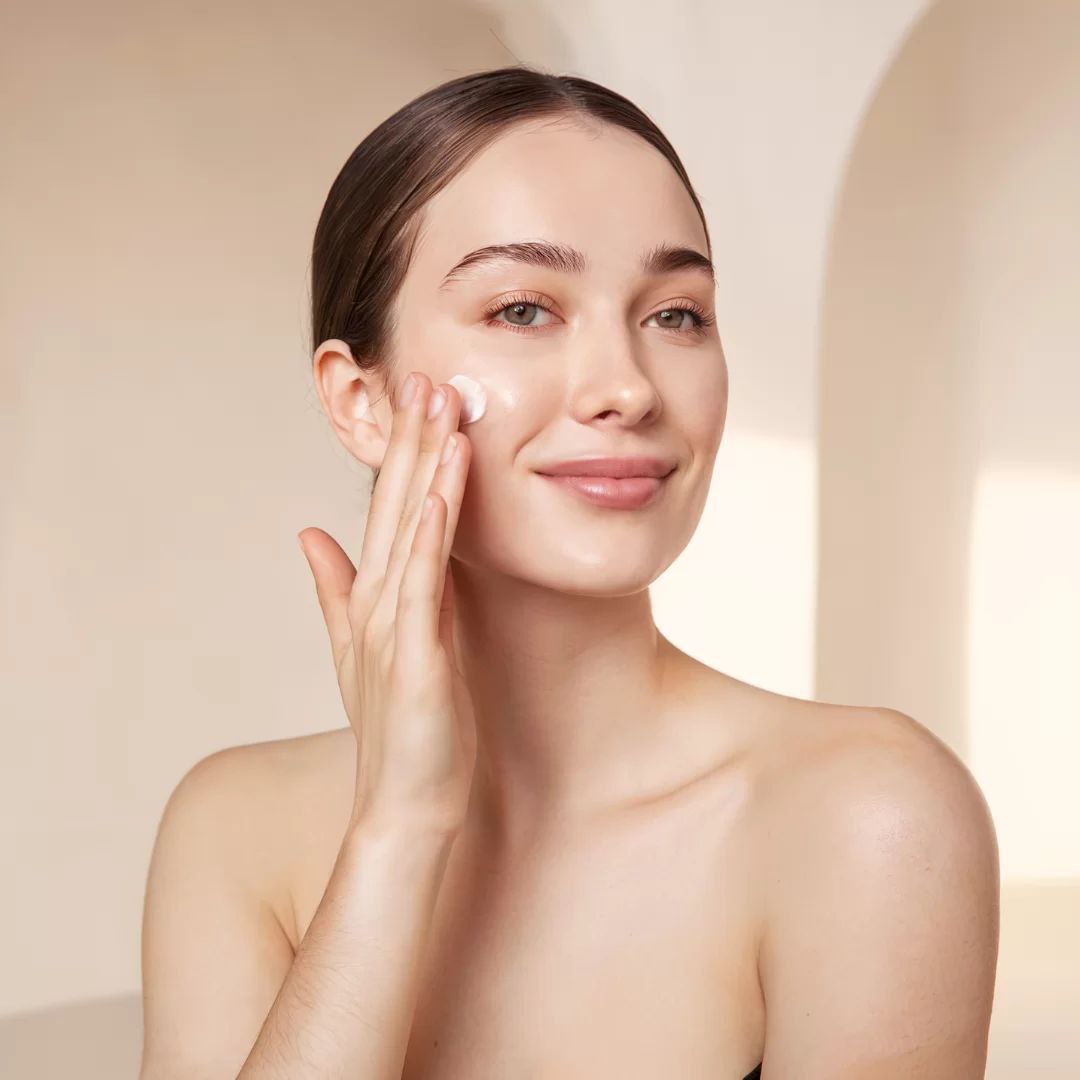
Choosing the right moisturizer can completely transform your skin—but using the wrong one can lead to breakouts, dryness, or irritation. With so many options available, it’s easy to feel confused. The truth is, your skin doesn’t need expensive products; it needs the right ingredients for your skin type.
In this guide, you’ll learn how to choose the right moisturizer for your skin type, what ingredients to look for, what to avoid, and simple tips to keep your skin healthy and hydrated every day.
Why Moisturizing Is Important for Every Skin Type
Many people believe that oily or acne-prone skin doesn’t need a moisturizer—but that’s a common skincare mistake. Moisturizers help:
- Lock in hydration
- Strengthen the skin barrier
- Prevent dryness, irritation, and early aging
- Balance oil production
- Improve skin texture and glow
No matter your skin type, using the right moisturizer daily is essential for healthy skin.
Step 1: Identify Your Skin Type
Before choosing a moisturizer, you need to understand your skin type. Here’s how to recognize it:
1. Dry Skin
- Feels tight or rough
- Looks flaky or dull
- Gets itchy, especially in winter
2. Oily Skin
- Shiny appearance
- Enlarged pores
- Prone to acne and blackheads
3. Combination Skin
- Oily T-zone (forehead, nose, chin)
- Dry or normal cheeks
4. Sensitive Skin
- Easily irritated
- Redness, burning, or itching
- Reacts quickly to new products
5. Normal Skin
- Balanced oil and hydration
- Few breakouts
- Smooth and even texture
Knowing your skin type is the foundation of choosing the best moisturizer.
Step 2: Choose the Right Moisturizer for Your Skin Type
Best Moisturizer for Dry Skin
If your skin feels dry and uncomfortable, choose a rich, nourishing moisturizer.
Look for ingredients like:
- Hyaluronic acid
- Ceramides
- Shea butter
- Glycerin
- Squalane
Avoid: Alcohol-based formulas
Tip: Cream or balm-based moisturizers work best for dry skin.
Best Moisturizer for Oily Skin
Oily skin still needs hydration—just in a lighter form.
Look for:
- Gel-based or water-based moisturizers
- Niacinamide
- Salicylic acid (for acne control)
- Aloe vera
Avoid: Heavy oils and thick creams
Tip: Choose an oil-free, non-comedogenic moisturizer to prevent clogged pores.
Best Moisturizer for Combination Skin
Combination skin needs balance.
Look for:
- Lightweight lotions
- Hyaluronic acid
- Niacinamide
- Green tea extract
Tip: You can use a lighter moisturizer on oily areas and a richer one on dry zones if needed.
Best Moisturizer for Sensitive Skin
Sensitive skin requires extra care.
Look for:
- Fragrance-free formulas
- Ceramides
- Oat extract
- Panthenol
Avoid: Artificial fragrance, essential oils, harsh preservatives
Tip: Always patch test before using a new moisturizer.
Best Moisturizer for Normal Skin
Normal skin is low-maintenance but still needs hydration.
Look for:
- Lightweight creams or lotions
- Antioxidants
- Vitamin E
- Hyaluronic acid
Tip: Focus on maintaining balance and protecting the skin barrier.
Step 3: Check the Texture and Formula
The texture of your moisturizer matters as much as the ingredients.
- Gel: Best for oily and acne-prone skin
- Lotion: Ideal for combination and normal skin
- Cream: Perfect for dry and sensitive skin
- Balm: Best for extremely dry or damaged skin
Choosing the right texture helps your skin absorb the product better.
Step 4: Consider Your Climate and Lifestyle
Your environment affects your skin more than you think.
- Hot & humid weather: Lightweight, gel-based moisturizers
- Cold & dry weather: Thick, nourishing creams
- Air-conditioned rooms: Hydrating formulas with barrier-repair ingredients
If you spend a lot of time outdoors, consider a moisturizer with SPF for daytime use.
Common Mistakes to Avoid When Choosing a Moisturizer
- Skipping moisturizer because of oily skin
- Using body lotion on the face
- Ignoring ingredient lists
- Choosing products based only on trends
- Over-moisturizing acne-prone skin
Avoiding these mistakes can prevent breakouts and skin irritation.
Final Thoughts
Learning how to choose the right moisturizer for your skin type is one of the most important steps in any skincare routine. When you match the right ingredients and texture to your skin’s needs, your skin becomes healthier, smoother, and more radiant over time.
Remember—good skincare isn’t about following trends; it’s about understanding your skin and treating it with care.
